Transform Your Area With Skilled Bathroom Renovation
Bathroom remodeling is regularly neglected yet vital for boosting a home's efficiency and visual beauty. Many homeowners find their current arrangements inefficient, failing to accommodate daily needs. Expert guidance can navigate these intricacies, reshaping a plain space into a cherished retreat. The matter remains: how can one effectively identify their aesthetic, formulate a realistic budget, and choose the right components? Understanding these elements is essential for a positive renovation.
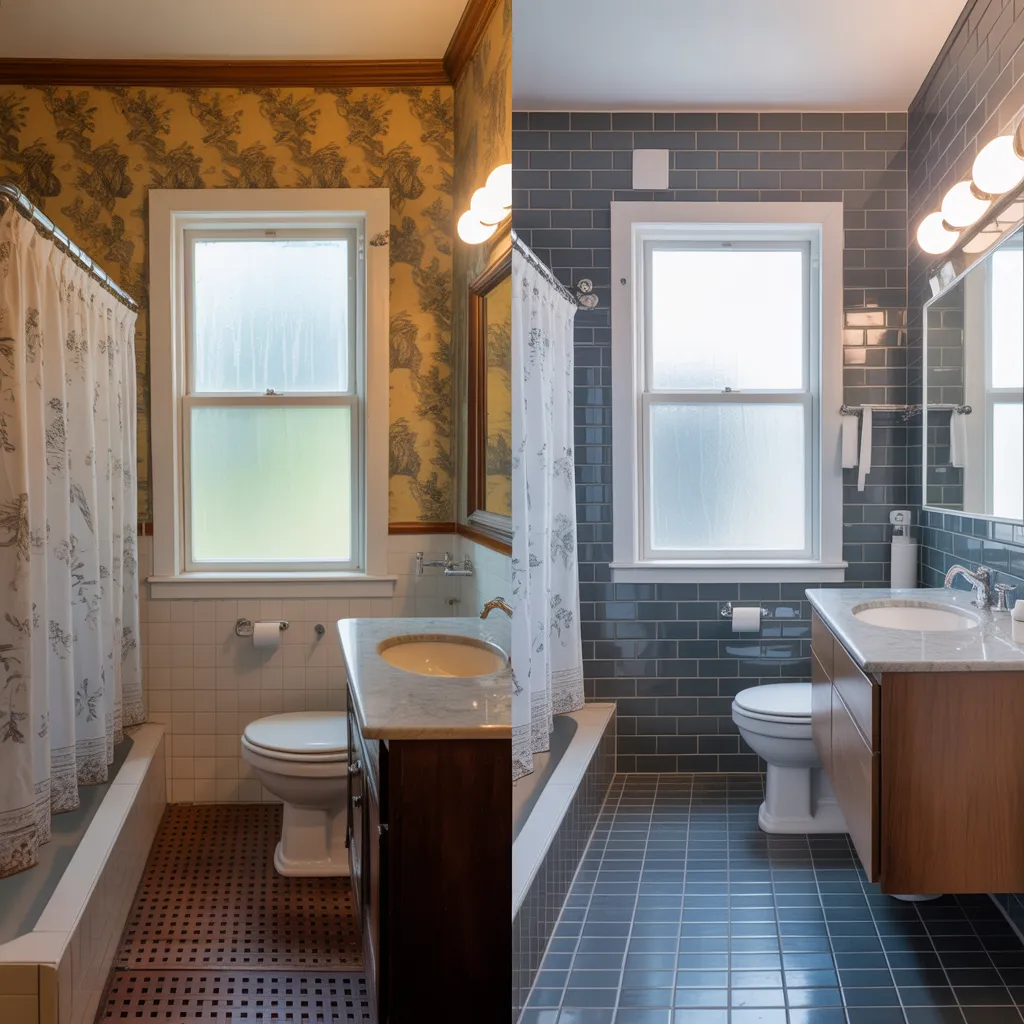
What's Preventing Your Bathroom from Working for You?
Why does a bathroom not satisfy its owner's needs? Often, the problems stem from limited square footage, poor layout, or outdated fixtures. A cramped environment can restrict mobility, making daily routines cumbersome. Insufficient storage can lead to clutter, causing frustration during use. Additionally, old-fashioned styles may not reflect the owner's style, establishing a mismatch between the space and the individual.
Lighting plays a significant role; poor quality or intense lighting can impact the functionality and ambiance, rendering the bathroom feel unwelcoming. Accessibility is an additional consideration; if the bathroom does not cater to all inhabitants or visitors, it can become a cause of frustration.
In the end, a bathroom that fails to align with its user's preferences and practical needs can reduce the overall enjoyment, prompting the need for a carefully planned renovation. Tackling these factors is vital for transforming a bathroom into a functional and enjoyable space.
Tips for Figuring Out Your Bathroom Appearance and Necessities
Identifying personal style and demands is a important phase in developing a functional bathroom. Homeowners should begin by analyzing their personal habits and daily routines. Factors such as the count of people, storage requirements, and preferred features are critical in shaping the design.
To investigate style preferences, consumers can browse design magazines, online resources, or digital networks for inspiration. Creating a mood board can help visualize color palettes, tactile elements, and installations that match personal tastes.
Additionally, assessing the current layout is important. Recognizing any architectural elements or limitations will shape the design process. Homeowners may also ponder what presently functions or fails to work in their bathroom, helping to pinpoint particular requirements.
In the final analysis, a clear understanding of personal style and functional requirements sets a robust foundation for an effective bathroom remodeling project, ensuring the final result conforms to both visual aspirations and practical necessities.
Setting Your Financial Plan for Your Bathroom Remodeling Project
Developing a budget for a bath remodeling project calls for a clear understanding of the project's scope. It's crucial to account for unexpected costs that may occur during the remodeling undertaking. By planning carefully, homeowners can curtail unexpected expenditures and obtain their wanted results.
Determine Work Parameters
Formulating a definite budget is important for a successful bathroom remodeling project. The extent of work directly determines this budget, as it establishes the extent of renovations. Homeowners have to consider their needs and preferences, deciding which features to put first, such as fixtures, flooring, or cabinetry. A clearly defined scope allows for more accurate cost estimates, limiting the risk of overspending. Furthermore, it helps in making informed decisions concerning materials and labor. By knowing the desired outcomes, users can allocate funds properly, ensuring that critical components are not compromised. In the final analysis, a carefully determined project scope creates a roadmap for the remodeling process, matching design goals with financial realities and facilitating a smoother execution.
Incorporate Surprising Expenses
Even with a clearly defined project scope, homeowners should prepare for unexpected costs that may arise during a bathroom remodeling project. These expenses can stem from various sources, including hidden plumbing issues, outdated electrical systems, or the need for additional permits. Homeowners often downplay the potential for structural repairs, especially in older homes where damage may not be noticeable until renovations begin. Additionally, changes in design plans or the selection of high-end materials can further raise costs. To mitigate costly surprises, it is wise to set aside an emergency fund of at least 10-20% of the total budget. This preparation allows for greater flexibility and peace of mind, ensuring that the remodeling process proceeds smoothly despite unforeseen challenges.
Fundamental Traits for a Usable Bathroom Layout
When creating a functional bathroom, it is essential to emphasize essential features that enhance both functionality and comfort. Sufficient storage space is fundamental; incorporating cabinets and shelving can help maintain organization and clutter-free. Additionally, effective lighting significantly enhances functionality, with multiple layers such as task lighting, ambient lighting, and accent lighting addressing different requirements.
Accessibility is an additional critical component; amenities like grab bars, non-slip flooring, and a walk-in shower can make the space more secure for all users. An well-organized layout ensures that essential fixtures, such as the toilet, sink, and shower or bathtub, are easily accessible and logically placed.
To conclude, ventilation is important to circumvent moisture buildup and preserve air quality. Blending these features develops a connected and operative bathroom design that meets the demands of everyday life while providing a inviting escape.
Selecting the suitable materials and fixtures plays a vital role in achieving a practical and beautiful bathroom. The choice of materials influences both the longevity and maintenance of the space. For countertops, options like granite or quartz offer strength and a elegant look, while ceramic tiles provide flexibility in design and ease of maintenance.
When it comes to fixtures, quality matters. Faucets and showerheads should not only be stylish but also water-conserving, promoting sustainability. Choosing finishes that resist tarnishing can enhance longevity and preserve aesthetics over time.
Additionally, light fixtures should be carefully chosen to guarantee adequate light and atmosphere, balancing functionality with design.
Ultimately, a careful choice of materials and fixtures can convert a bathroom into a sanctuary, showcasing the homeowner's personal style while ensuring functionality and ease.
Selecting the Perfect Remodeling Contractors
When selecting remodeling experts, it is important resource essential to assess their qualifications and background to ensure superior craftsmanship. A thorough review of their work samples and areas of expertise can offer understanding into their design style and capabilities. This detailed assessment helps homeowners choose wisely for their bathroom remodeling endeavors.
Certifications And Expertise
Finding the ideal remodeling experts necessitates detailed examination of their qualifications and expertise. Homeowners should pursue specialists who hold proper credentials and permits, as these indicate a adherence to professional requirements and norms. Specific expertise in bathroom remodeling is critical, as it reveals a thorough understanding of the particular obstacles and specifications of such projects. Furthermore, finding specialists with a proven track record can ensure their capability to deliver quality results. Working with professionals who engage in continuous professional development or trade groups can also prove helpful, as it demonstrates their commitment to keeping abreast of trends and techniques. In the final analysis, comprehensive research into credentials and experience will result in thoughtful choices and excellent renovation results.
Range of Work And Specialties
A meticulously chosen portfolio offers a doorway to a remodeling expert's abilities and character. It features past projects, bringing into focus the breadth of skills and attention to detail. When reviewing potential experts, clients should consider not only the variety of designs but also the quality of craftsmanship. Specialties may include modern, traditional, or eco-friendly designs, and understanding these can help homeowners align their vision with the right professional. An effective portfolio will also demonstrate problem-solving abilities, particularly in challenging spaces. By examining testimonials and case studies, clients can gain insight into the expert's approach to customer service and project management. Ultimately, a strong portfolio guarantees homeowners feel confident in their choice of remodeling partner.
Preserving Your Newly Refurbished Bathroom
Although a freshly renovated bathroom can provide happiness and practicality to a home, it also demands careful maintenance to protect its beauty and efficiency. Routine tidying is essential; using gentle cleaners helps preserve surfaces without causing damage. Daily upkeep, such as cleaning counters and fixtures, stops the buildup of grime and mildew.
Examining plumbing fixtures for leaks is crucial, as even small leaks can cause significant water damage over time. Additionally, monitoring grout lines and caulking guarantees that moisture does not penetrate walls, which could result in mold growth.
Ventilation functions as a vital component in preserving a fresh atmosphere; using ventilation equipment during and after showers helps lower humidity. Finally, regular evaluations of the bathroom's style features allow homeowners to tackle deterioration promptly, guaranteeing that the investment in renovation continues to pay off for years to come.
Frequently Requested Questions
What Duration Should You Expect for a Standard Bathroom Renovation?
A common bathroom remodel generally takes about three to six weeks, based on the project’s complexity and size. Aspects including material availability and contractor timelines can impact the overall timeline for completion.
What Permits Must Be Obtained for Bathroom Remodeling?
Typically, bathroom remodeling needs permits for pipe work, electrical work, and structural modifications. Local rules may differ, so it's essential for homeowners to consult with their local government to ensure adherence with all required building codes.
Can I dwell in My Home During Remodeling?
Yes, property owners can frequently live in their homes during remodeling, though it may rely on the scope of the project. Disturbances like noise and dust might render some spaces briefly unavailable, necessitating certain modifications.
What Tips Help in Reducing Dust and Disorder During Remodeling?
To curb dust and mess during refurbishment, one should seal off work areas with plastic materials, use dust protection, apply vacuum systems, and guarantee proper ventilation. Regular cleaning can also help maintain a spotless environment.
What Ought to I Do if I Stumble upon Unexpected Complications?
When encountering unexpected issues, one should assess the problem, reach out to professionals if needed, and adjust the project plan accordingly. Effective dialogue with builders can help minimize delays and provide a more seamless renovation experience.